
unesco côa valley rock-art sites
One of the tributaries of the Douro River is the Côa River, where in the early 1990s rock engravings were discovered dating as far back as 22,000 years B.C.
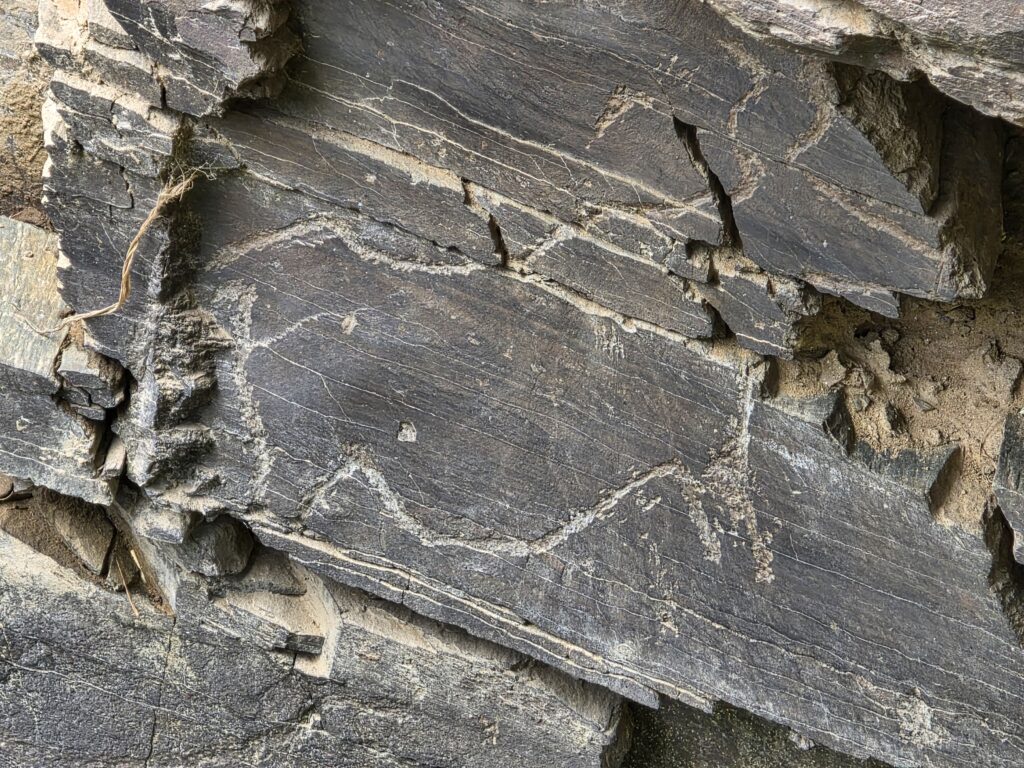
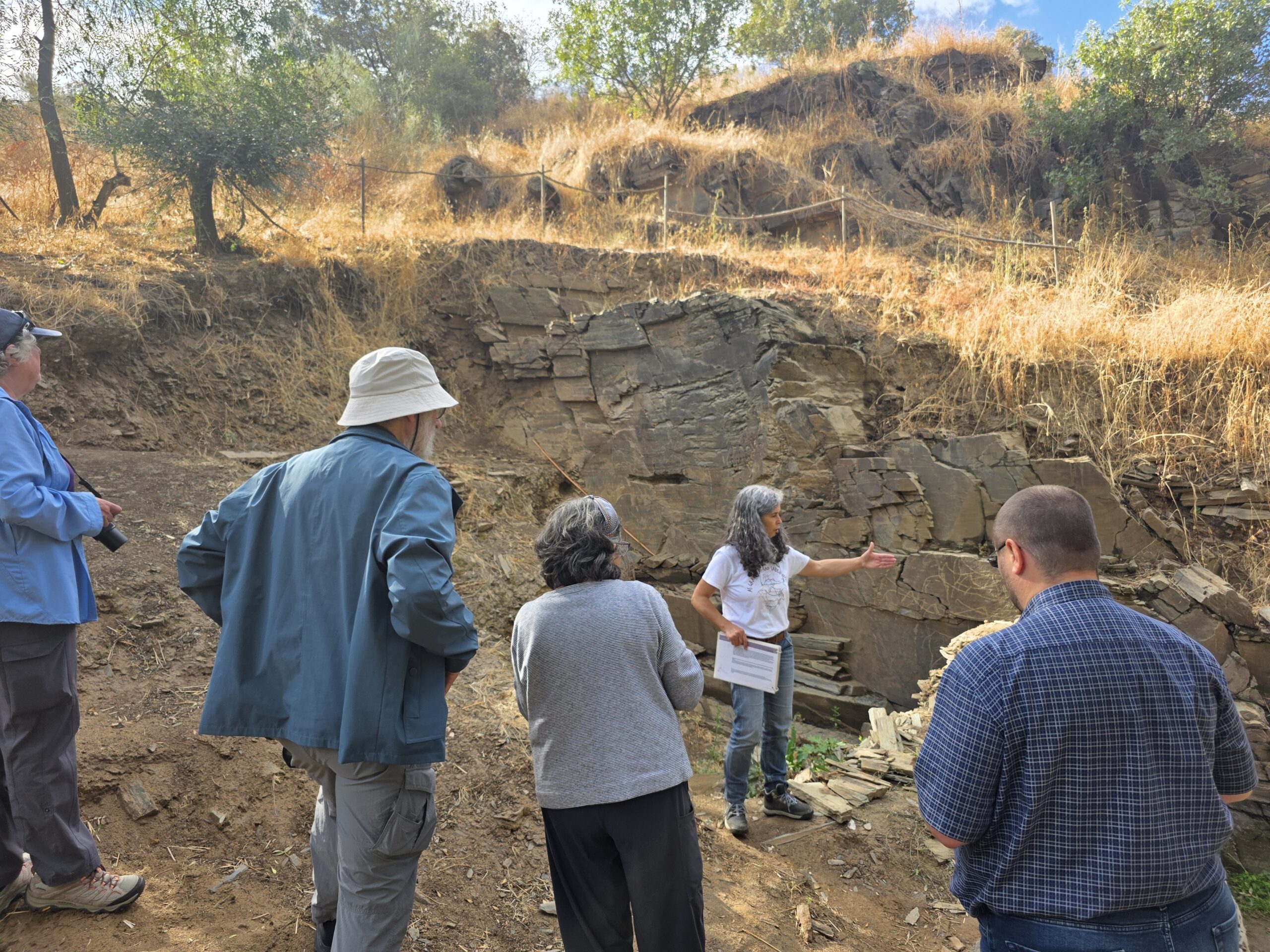
The rock-art sites of Foz Côa represent the most remarkable open-air ensemble of Palaeolithic art on the Iberian Peninsula. The engravings date from the Upper Palaeolithic to the final Magdalenian/ Epipalaeolithic (22.000 – 8.000 BCE), and represent a unique example of the first manifestations of human symbolic creation and of the beginnings of cultural development which reciprocally shed light upon one another and constitute an unrivalled source for understanding Palaeolithic art. Engravings include thousands of rock drawings of horses, bovines and other animals. The prehistoric art is either carved, incised or picked, combining various techniques, but rarely painted, utilizing the vertical schist slabs as canvass.
In 1995, a plan to construct a dam was approved and works began in the Côa Valley. However, following the original discovery of rock art, the national energy company (Energias de Portugal – EDP) and the agency responsible for architectural heritage (Instituto Português do Património Arquitectónico – IPPAR) were made aware of the prehistoric art along the Côa.
National controversy around the case forced IPPAR to petition UNESCO for a review of the site, while a citizens group, “Movimento para a Salvação das Gravuras do Côa”, arose with a slogan, “As gravuras não sabem nadar” (The carvings don’t know how to swim). A broad-based movement against the dam developed, resulting in the cancellation of the dam project in 1995 after the general elections which lead to a government change.
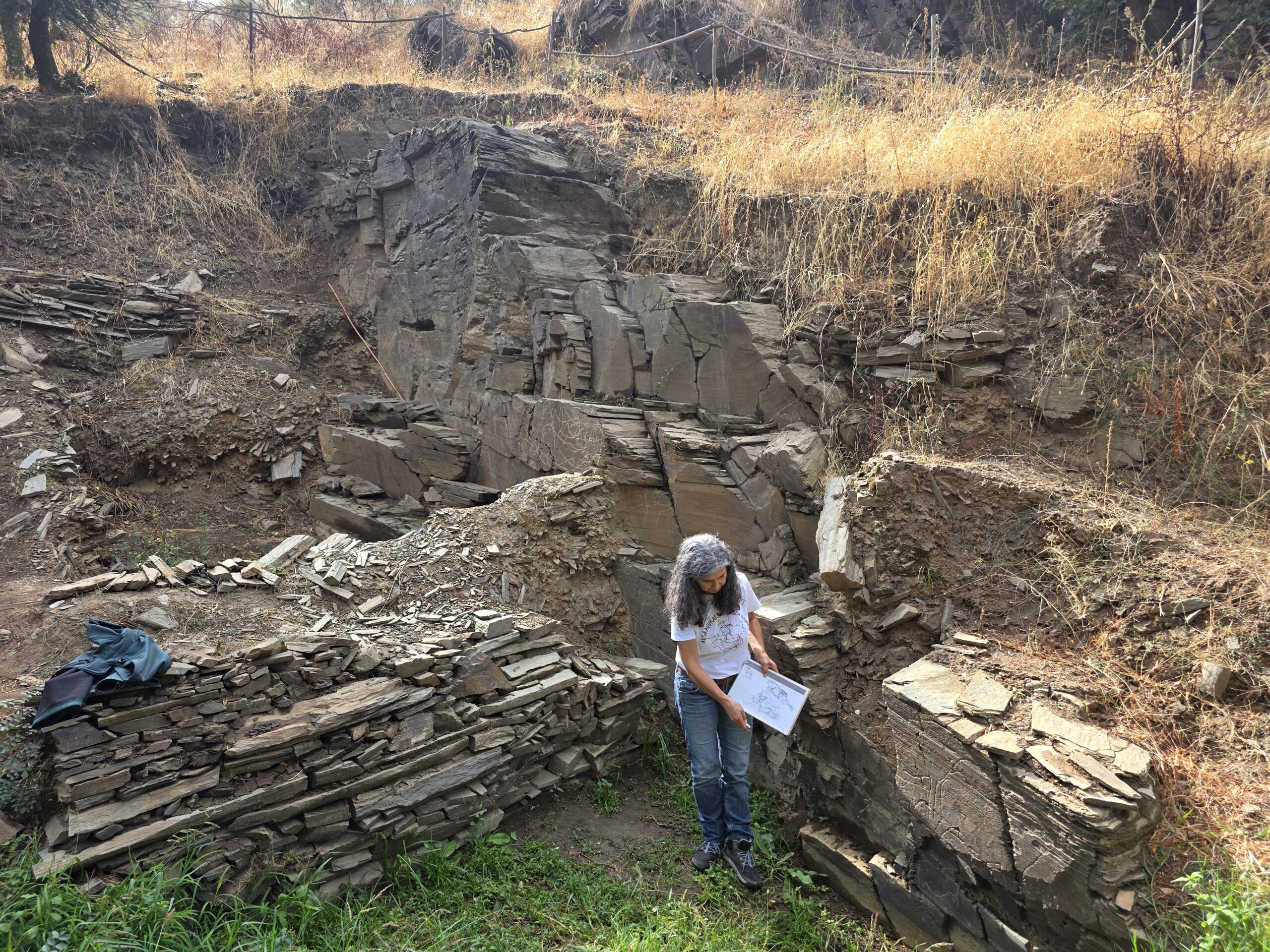
The Prehistoric Rock-Art Sites in the Côa Valley were designated a World Heritage Site in 1998.