
the douro cork oak forests
Portugal is the world’s leading producer and exporter of cork, with an area of cork oak forest covering over 1.8 million acres…the largest in the World. Overall one-third of the world’s total cork woodlands are located in Portugal.
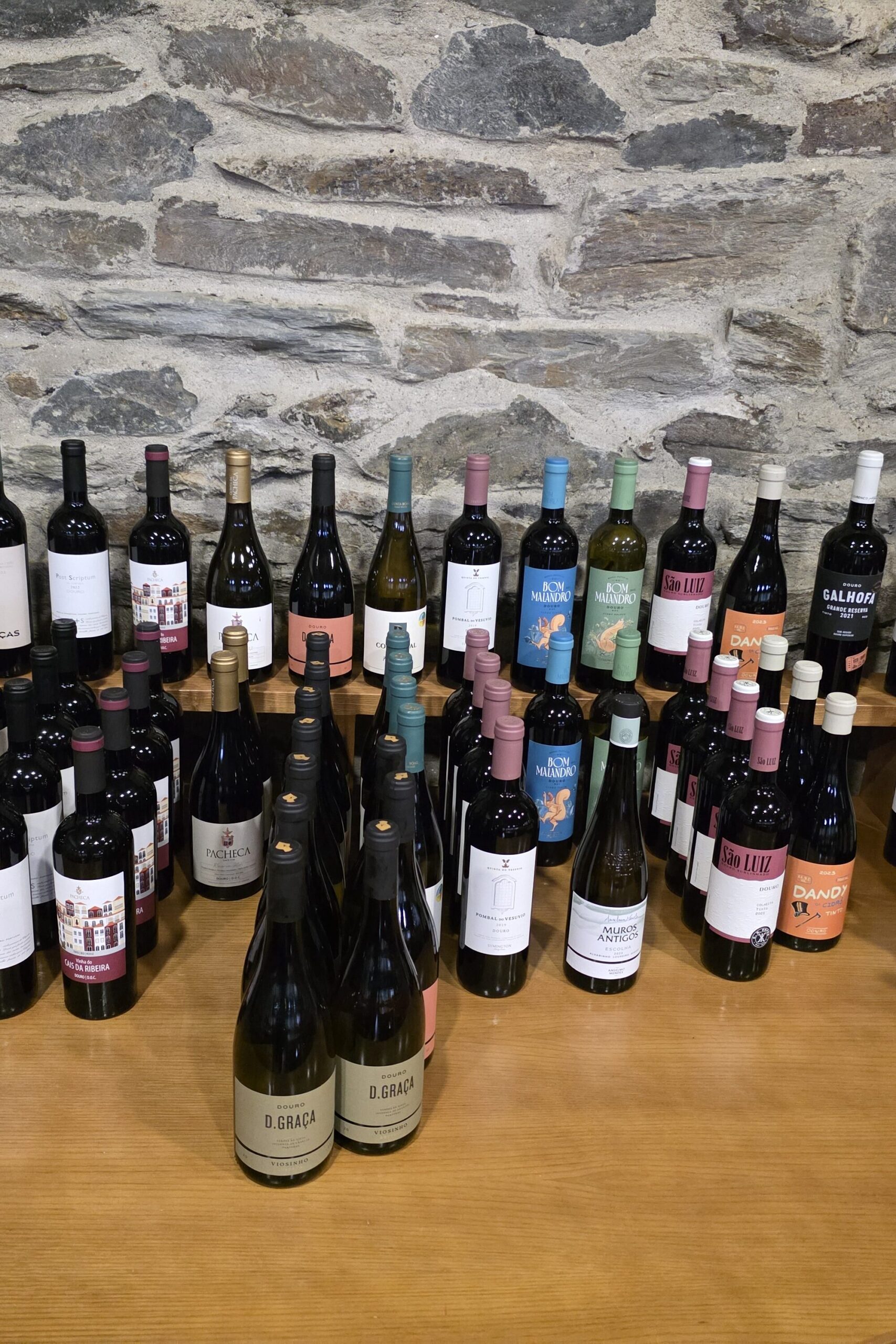
Portugal exports more than 50% of the world’s production of cork, so the probability is that if you drink some wine you have already been in contact with some of the local cork!
The cork production is quite an amazing cycle. The product is renewable made from the bark of the cork oak tree, which regenerates after being harvested. That in itself is quite unique within trees, but even better, with each harvest the cork becomes smoother in texture.
The process itself cannot be rushed, and it takes 25 years after being planted for a a cork oak tree to start producing its beloved cork. And when it is time to harvest, this is done by hand by experts who make sure the tree itself is not damaged. This will happen about every 9 years. A single tree can live around 200 years, and be harvested about 17 times in its lifespan.
In 2011 the cork oak tree was declared the National Tree of Portugal, with its status being protected since the 13th century. The cork forests are protected through tight harvesting regulations, and cutting an oak tree without permission is illegal.
Cork oak forests, known as the “Montado” ecosystem, are natural fire barriers with fire-resistant bark. Organizations such as WWF work with local producers to manage biodiversity, focusing on protecting endangered species like the Iberian lynx and Iberian imperial eagle.