
the douro wine demarcation – doc
Apart from being a river, the Douro is a Portuguese wine region, sometime referred to as the “Alto Douro” (upper Douro). The region has the highest wine classification called DOC (“Denominação de Origem Controlada” – Protected Designation of Origin).
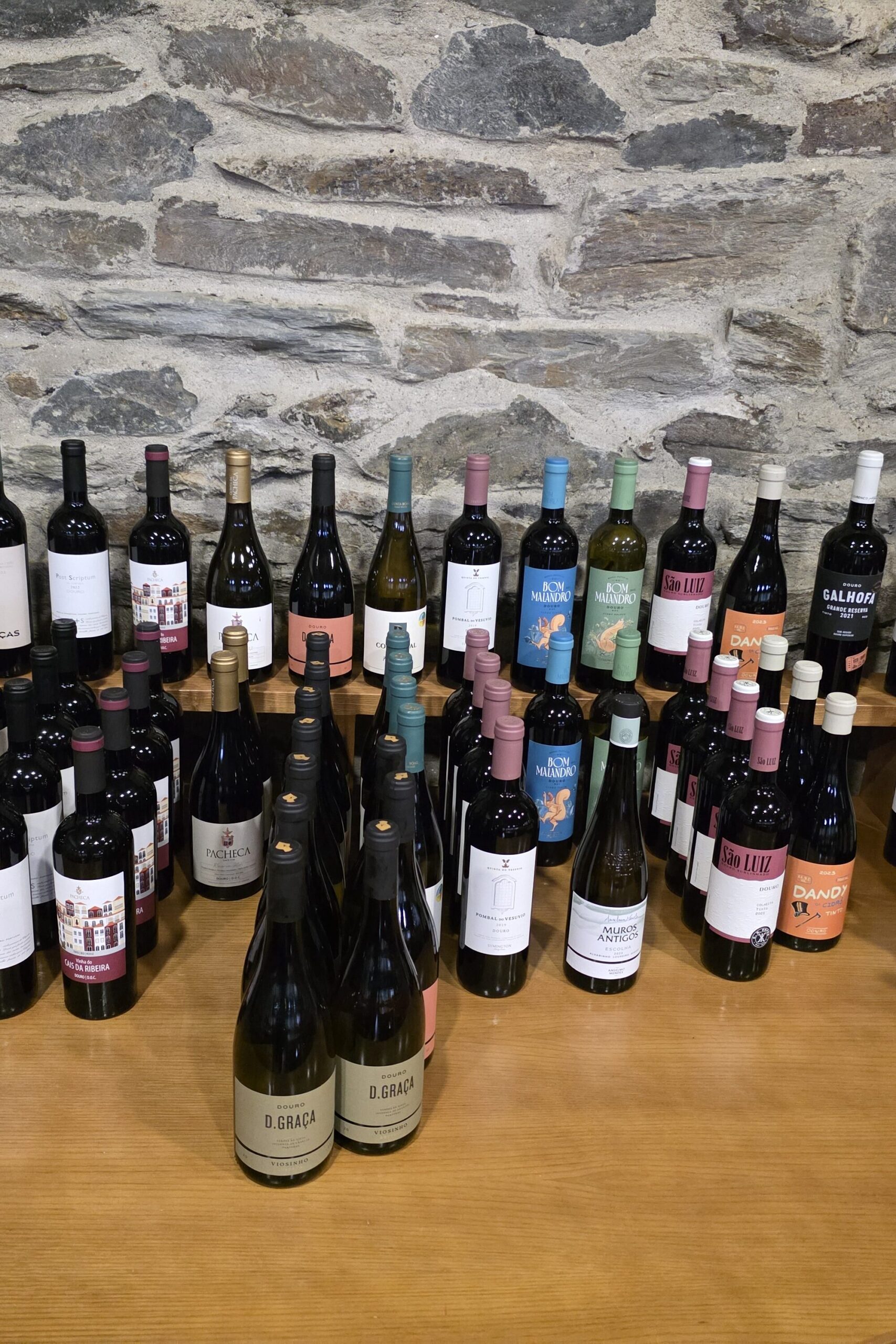
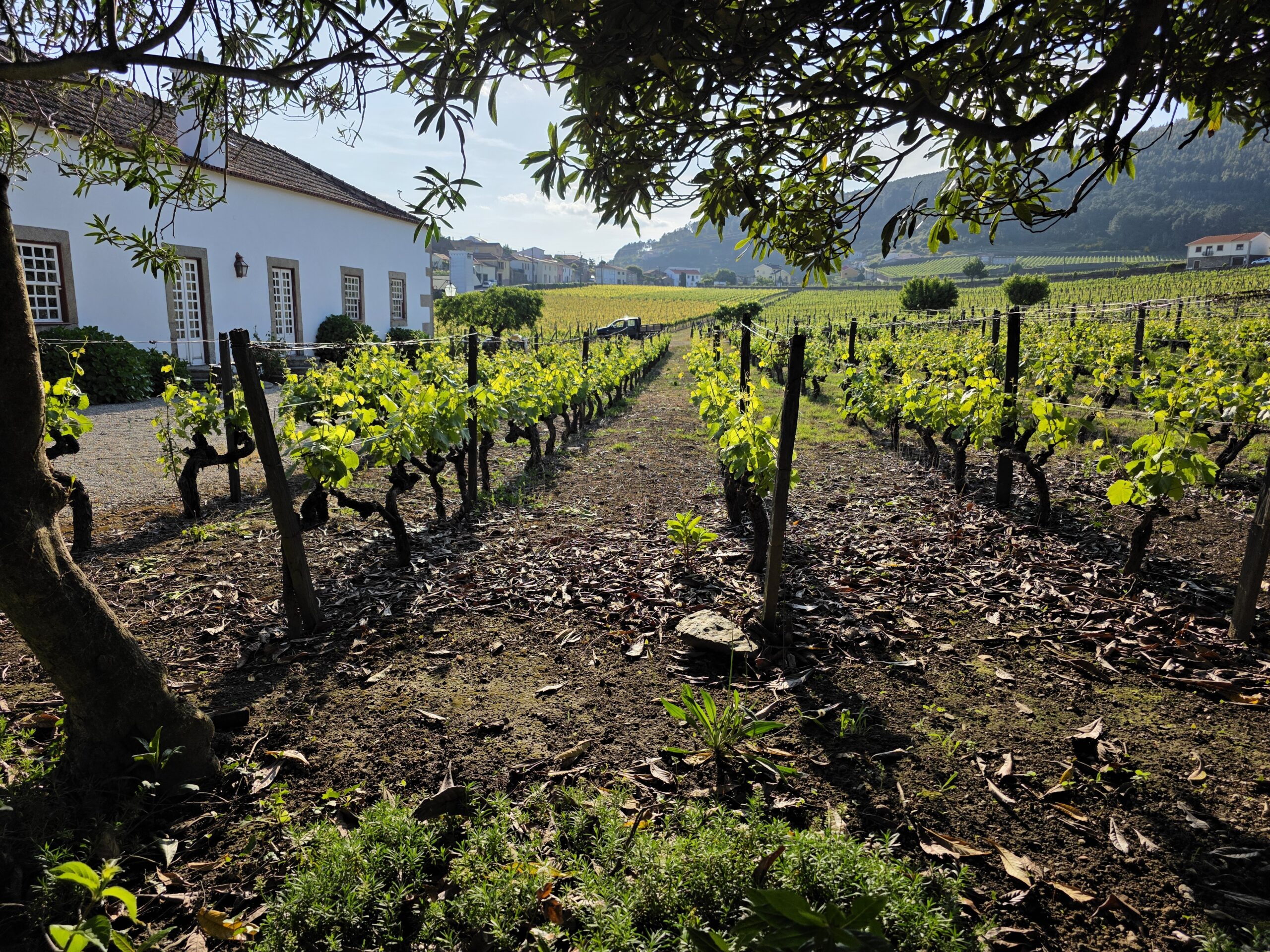
The Douro Region is best known internationally for its Port fortified wine production, but the region products just as much red wine and a significant amount of white wine. The latter two are the ones know as “Douro wines”.
There is archaeological evidence for winemaking in the region dating from the end of the Western Roman Empire, during the 3rd and 4th centuries AD. In medieval times from the mid-12th century, Cistercian monks had an important influence on winemaking in the region.
In the 17th century, the region’s vineyards expanded, and the earliest known mention of “Port wine” dates from 1675. The Methuen Treaty between Portugal and England in 1703 meant that Port wine became the primary product of the region, and it became economically very important to Portugal. A royal Portuguese charter of 10 September 1756 defined the production region for Port wine. It thus became the world’s first wine region to have a formal demarcation.
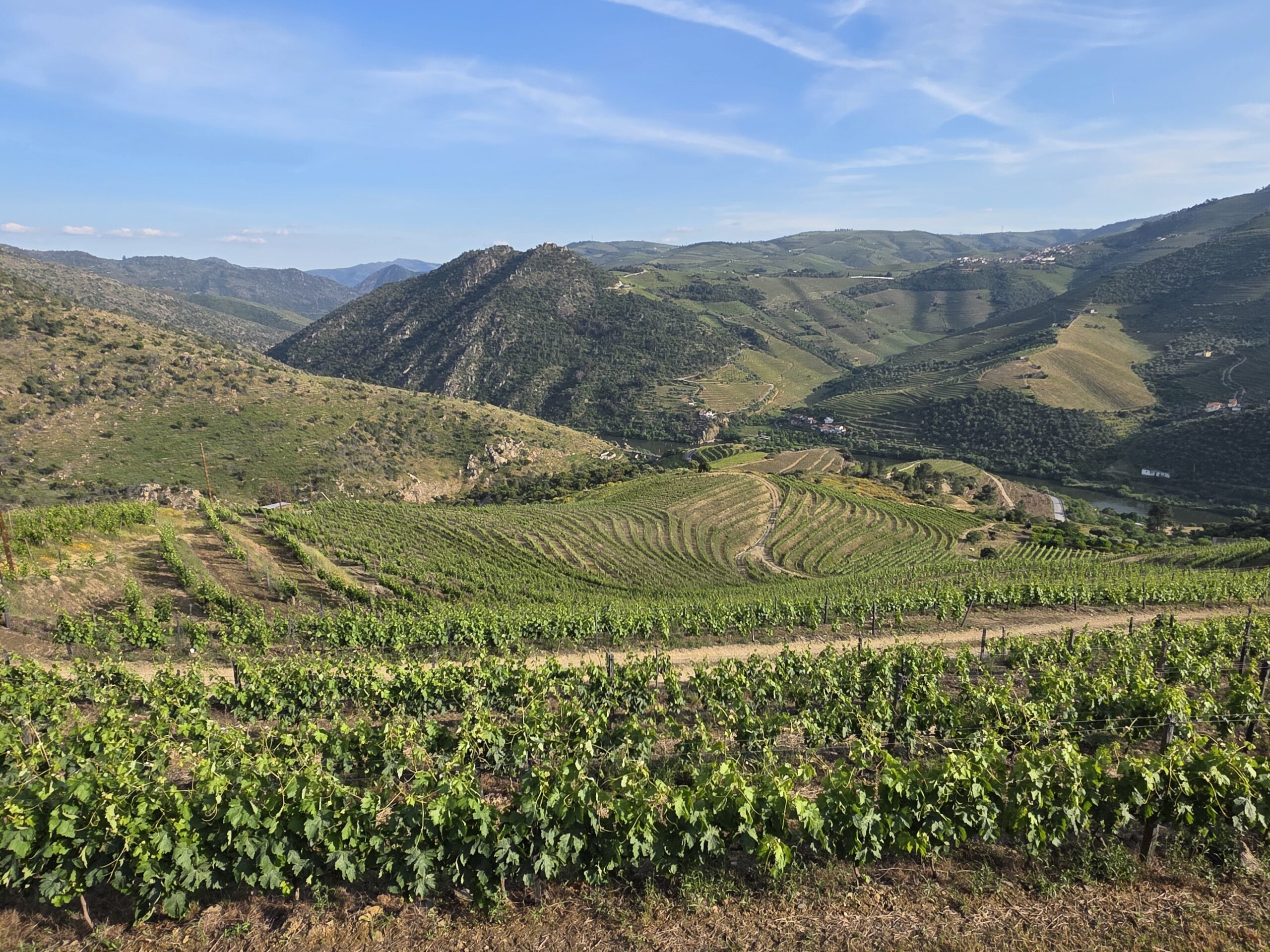
While table wine has always been produced in the region, for a long time little of it was seen outside the region itself, given the focus on the production and export of Port wine. It wasn’t until the 1990s when a large number of wines made their appearance, with Portugal’s entry into the European Economic Community in 1986.
The Douro winemaking region was declared a World Heritage Site in 2001.
The Douro Region is usually subdivided into three subregions, from the west to the east: “Baixo Corgo” (below Corgo); “Cima Corgo” (above Corgo) where the majority of the famous Quintas are located; and, “Douro Superior” (upper Douro) which stretches all the way to the Spanish border.